
Vendor Anak Indonesia
Established since 2020 as stainless steel manufacture


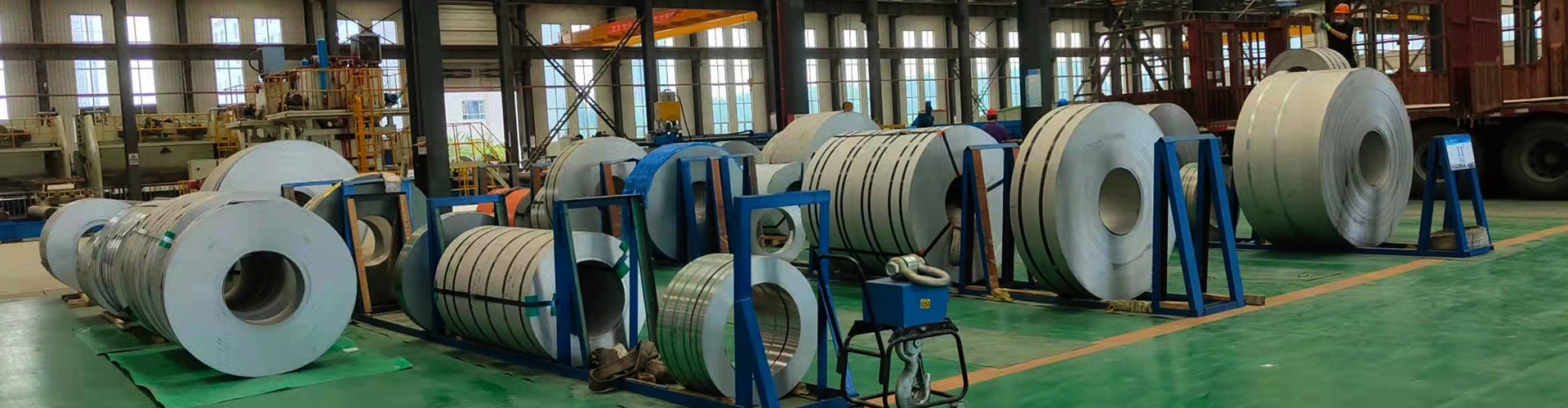
Stainless steel plate is a sheet metal material resistant to corrosion due to its chromium content. It is available in several grades, each offering different advantages and applications.
Type 304 is the most common and widely used grade. This material contains approximately 18% chromium and 8% nickel.
Type 316 is an upgraded version of 304, containing an additional 2–3% molybdenum.
Type 430 is a ferritic stainless steel containing about 16–18% chromium and no nickel.
| Grade | Composition | Corrosion Resistance | Price Range |
|---|---|---|---|
| 304 | 18% Cr, 8% Ni | Good | Medium |
| 316 | 16% Cr, 10% Ni, 2% Mo | Excellent | High |
| 430 | 17% Cr | Moderate | Economical |
If you need a stainless steel plate for general environments, 304 is sufficient. For marine or chemical environments, choose 316. However, if cost efficiency is the main consideration, 430 is a practical and economical choice.
Always select materials based on your specific application needs and consult with an authorised distributor to ensure you get the best specifications.
 ridho.setiawan@vendoranakindonesia.com
 +62 851 6192 0405


